


Jean pocket embroidery is one of the fastest-growing techniques in fashion customization, streetwear branding, and handmade denim art. If you want to learn how to embroider on jean pocket and get results that look expensive, polished, and intentional, this guide walks you through every step — from choosing the right design and stabilizer to avoiding the mistakes that ruin good jeans and cost you money.
Whether you are personalizing a pair of jeans for yourself, launching a custom denim business, or offering embroidery services to fashion-forward customers, understanding how to embroider on jean pocket correctly separates amateur work from professional-quality results.
Why Jean Pocket Embroidery Has Taken Over Fashion
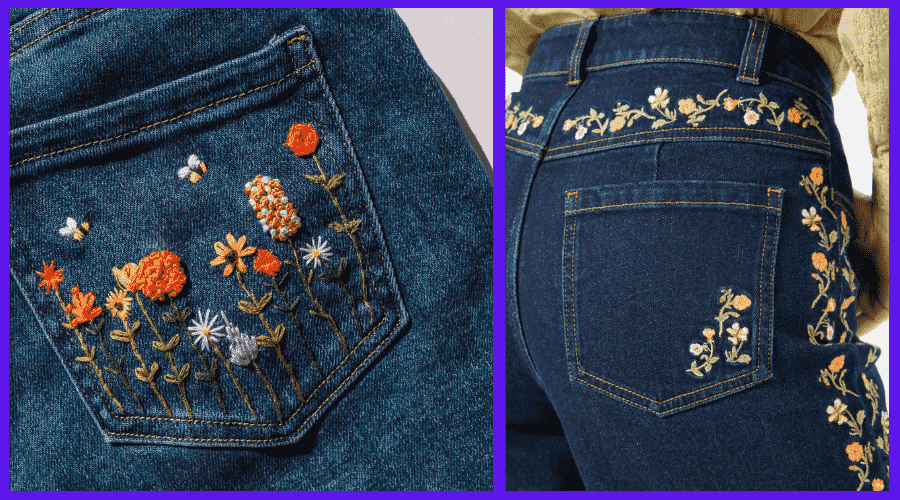
The demand for embroidered denim keeps accelerating, and jean pocket embroidery sits at the center of that trend. A plain pair of jeans becomes something entirely different with the right embroidery on the back pocket — it signals handcraft, individuality, and premium quality all at once.
Fashion brands charge dramatically more for embroidered denim because embroidery cannot be faked at a glance the way printing can. The texture, the thread catching light, the subtle dimensionality — these all communicate value before the customer even reads the label.
People who search for how to embroider on jean pocket are coming from many different directions: home sewists wanting to customize their wardrobe, small business owners expanding into denim, and experienced embroiderers looking to crack a notoriously tricky surface. The technique serves all of them, but only when it is executed with the right knowledge.
Popular applications include back and front pocket embroidery on jeans, denim jacket pocket customization, cargo pocket branding, personalized names and monograms, floral and western-inspired pocket art, and logo embroidery for streetwear labels.
Can You Embroider Directly on Jean Pockets?
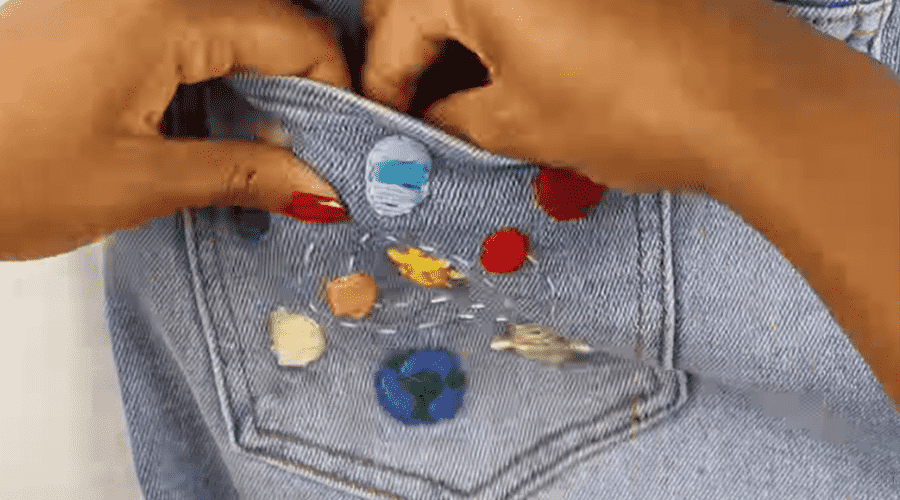
Yes — embroidering directly on jean pockets is entirely possible and produces beautiful results when done correctly. The challenge is that denim pockets are fundamentally more difficult than flat fabric. You are working with extra layers, limited access space, potential for sewing the pocket shut, and a thick material that resists needles and shifts under stitching pressure.
Every one of those problems has a solution, but skipping preparation or using the wrong tools will make all of them worse at once. The following sections cover exactly what you need to do it right.
Best Types of Jean Pockets for Embroidery
Some pocket types are significantly easier to work with than others, and knowing the difference helps you plan your approach from the start.

Flat back pockets are the easiest and most forgiving surface for jean pocket embroidery. They offer a larger embroidery area, easier hooping access, and a more stable stitching surface. Back pockets are where most embroiderers start, and where most fashion embroidery is displayed — logos, florals, monograms, and decorative artwork all work beautifully here.
Front jean pockets are smaller and more restrictive. Space limits what you can fit, and the curved shape of the pocket opening creates positioning challenges. Small logos, initials, and minimal embroidery work better on front pockets than large or complex designs.
Denim jacket pockets are often more accessible than pants pockets because the jacket lies flat and the fabric layers are easier to manage. For beginners learning how to embroider on jean pocket, jacket pockets can be a more forgiving starting point.
Stretch denim pockets require extra attention to stabilization. The elasticity that makes stretch denim comfortable to wear is exactly what makes it difficult to embroider — the fabric wants to move, and any movement during stitching distorts the design.
Essential Tools for Jean Pocket Embroidery
Getting the tools right is not optional when learning how to embroider on jean pocket. Denim is thicker and less forgiving than most fabrics, and the wrong equipment creates problems that no amount of skill can compensate for.
Embroidery Machine
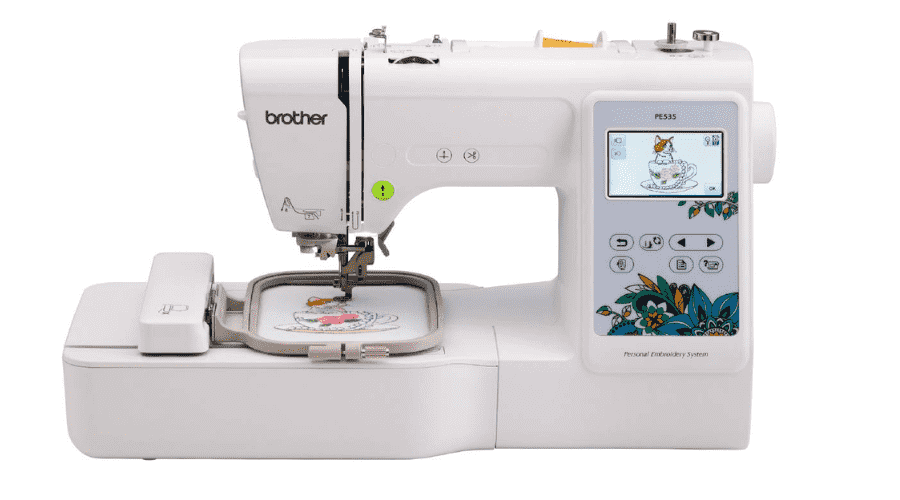
A machine with a strong motor, adjustable speed control, and precise hoop alignment handles denim far better than entry-level machines with fixed settings. Multi-needle commercial machines are ideal for production work, but a quality single-needle machine performs well with the right settings and needle selection.
Denim Embroidery Needles
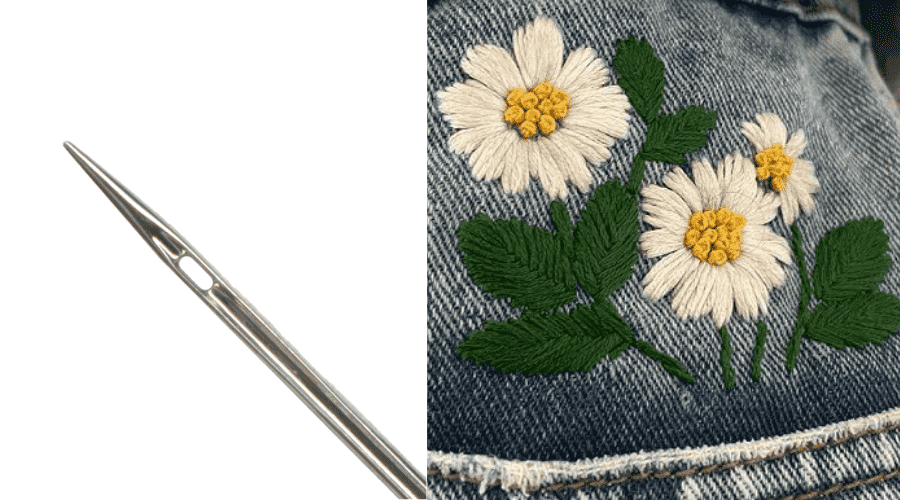
Needle choice is one of the most critical decisions in jean pocket embroidery. Standard embroidery needles are not built for denim they bend, break, and skip stitches on thick material. Use denim-specific needles or sharp embroidery needles with titanium coating for better penetration and longevity.
The right size depends on your denim weight:
- Size 75/11 for lightweight denim
- Size 80/12 for standard jeans
- Size 90/14 for thick or multi-layer denim
Replace your needle regularly. Denim dulls needles faster than almost any other fabric, and a slightly dull needle causes far more problems than most embroiderers realize.
Embroidery Thread
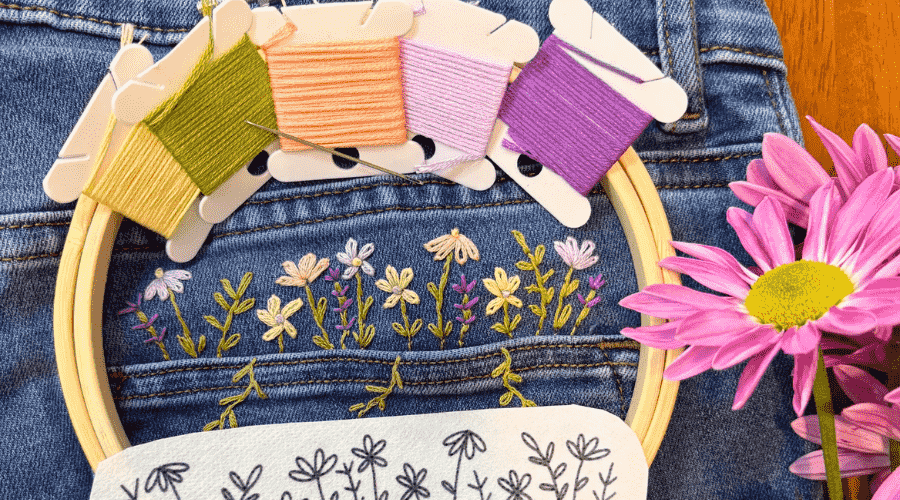
Polyester embroidery thread is the correct choice for denim work. It holds up against the friction of thick fabric during stitching, resists fading through repeated washing, and maintains consistent tension far better than rayon on challenging materials. Denim gets washed frequently, and your thread needs to handle that without degrading.
Stabilizer
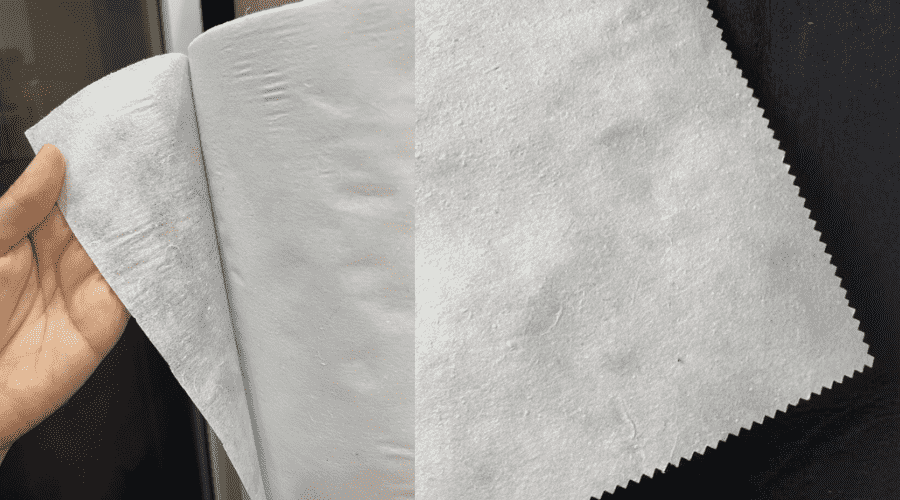
Stabilizer is absolutely critical when learning how to embroider on jean pocket. Denim is heavy enough that it can seem stable on its own, but without a proper stabilizer beneath the pocket, the fabric still shifts during stitching in ways that cause crooked designs, puckering, and distorted edges. The right stabilizer depends on your denim type and design density more on this below.
Hooping Systems
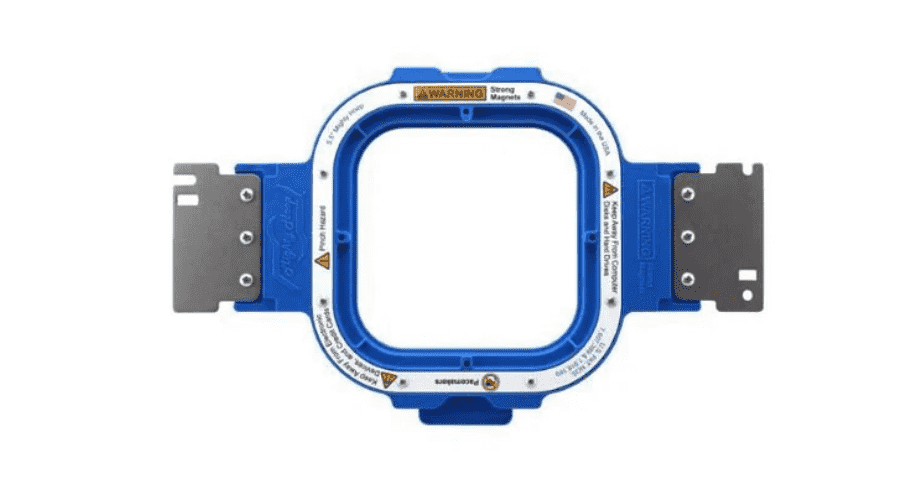
Standard embroidery hoops create their own set of problems with jean pockets. Hoop pressure on denim can leave permanent marks and force the pocket into an unnatural shape that distorts once the hoop is removed. Magnetic hoops, slim pocket hoops, and floating methods all solve this problem in different ways and are worth investing in if you plan to embroider denim regularly.
How to Prepare Jean Pockets for Embroidery
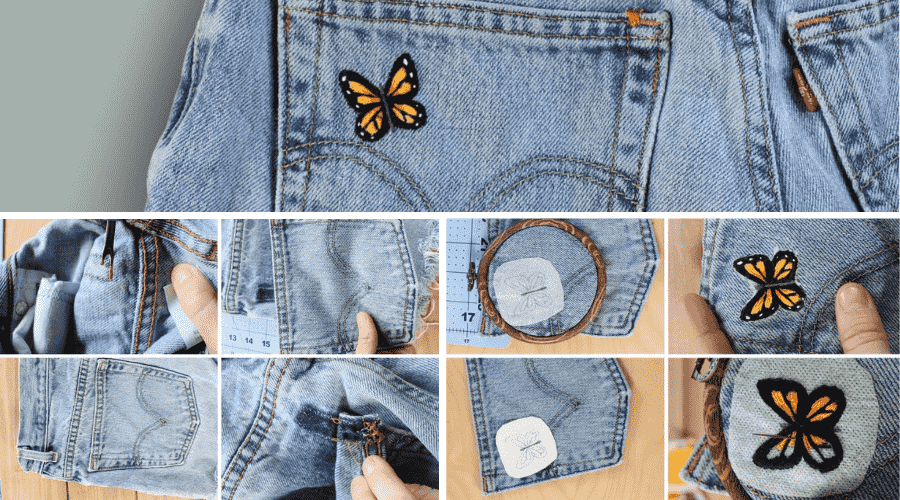
Preparation is where successful jean pocket embroidery actually begins. Skipping these steps is the fastest way to produce substandard work on an expensive pair of jeans.
Prewash the jeans first. Denim shrinks after washing — sometimes significantly. If you embroider before washing, the first trip through the laundry can pull and distort the design. Always prewash and dry the jeans before you begin, using the same settings your customer or end user will use for regular care.
Iron the pocket area flat. Wrinkles and creases in the denim create uneven surfaces under the needle, which translates directly into uneven stitching. Take the time to press the pocket area smooth before hooping.
Check pocket accessibility carefully. One of the most common and costly mistakes beginners make when learning how to embroider on jean pocket is accidentally stitching through both layers of the pocket, sewing it completely shut. Before you start your machine, confirm that the embroidery will only pass through the intended layer. Open the pocket, check the angle, and be certain.
Apply stabilizer properly. Stabilizer goes beneath the embroidery area and prevents the fabric from shifting during stitching. Attach it securely before positioning the jeans in your hoop or frame.
How to Embroider on Jean Pocket Step by Step
With your tools ready and your jeans prepared, follow this process for clean, professional results.
Step 1: Choose the Right Design
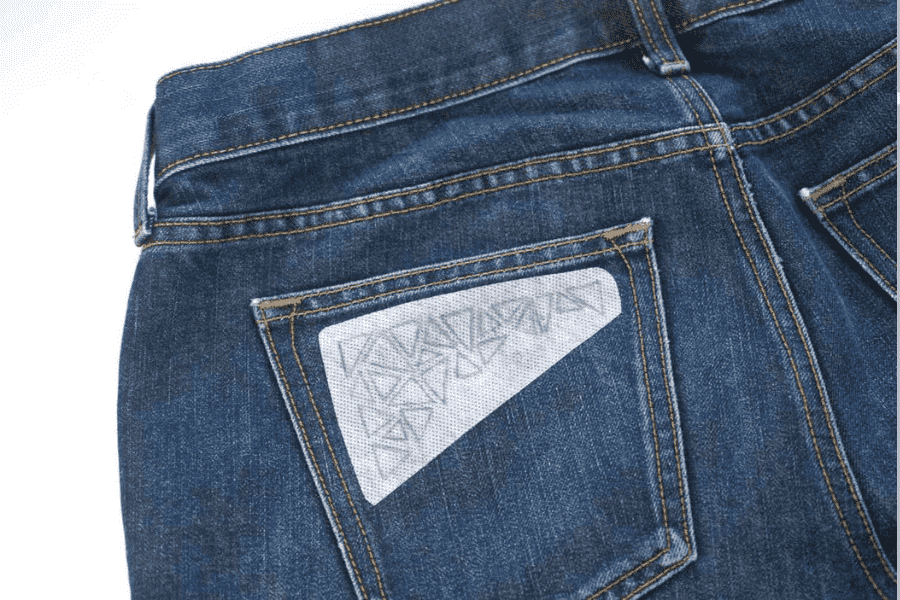
Pocket space is limited, and denim is not a forgiving surface for overly complex embroidery. The best designs for jean pocket embroidery are clean, bold, and appropriately scaled to the pocket size.
Designs that work well include floral embroidery with clear outlines, small logos with strong shapes, initials and monograms, western and vintage-inspired patterns, and minimalist geometric artwork. Avoid extremely dense fill areas, tiny lettering that loses definition on textured denim, and oversized artwork that fights the boundaries of the pocket.
Step 2: Digitize Specifically for Denim
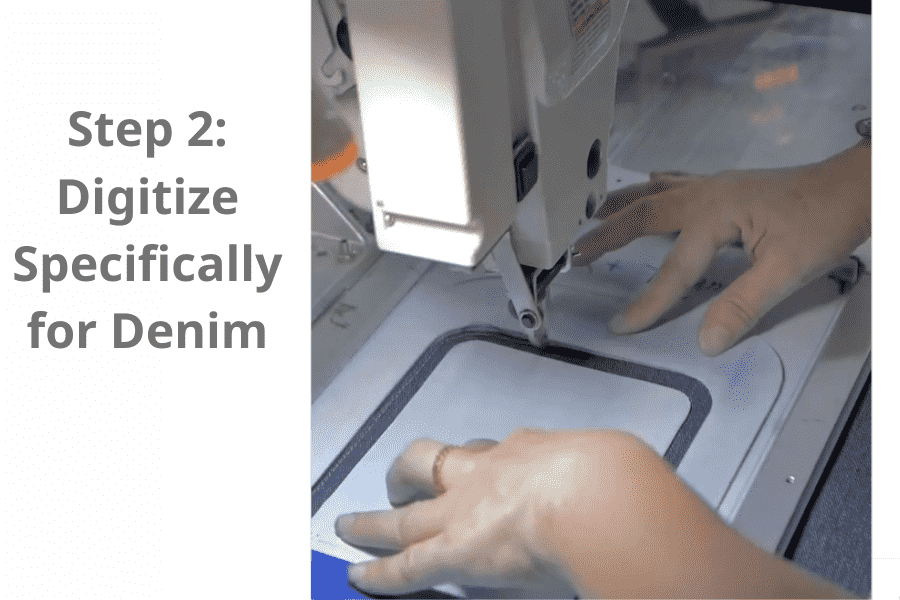
Digitizing for denim is not the same as digitizing for standard fabric, and this distinction matters enormously when learning how to embroider on jean pocket professionally.
Denim embroidery digitizing should reduce overall stitch density compared to fabric settings, avoid excessive overlapping stitches that create bulk and stiffness, use clean and purposeful underlay rather than layering unnecessary foundation stitches, and maintain sharp, readable outlines even through the texture of the denim weave.
Poor digitizing on denim causes thread breaks, puckering, needle damage, and embroidery that looks thick and stiff rather than integrated into the fabric. If you are not digitizing in-house, work with a professional digitizer who has experience specifically with denim. The difference in output quality is significant.
Step 3: Hoop the Denim Without Distorting the Pocket
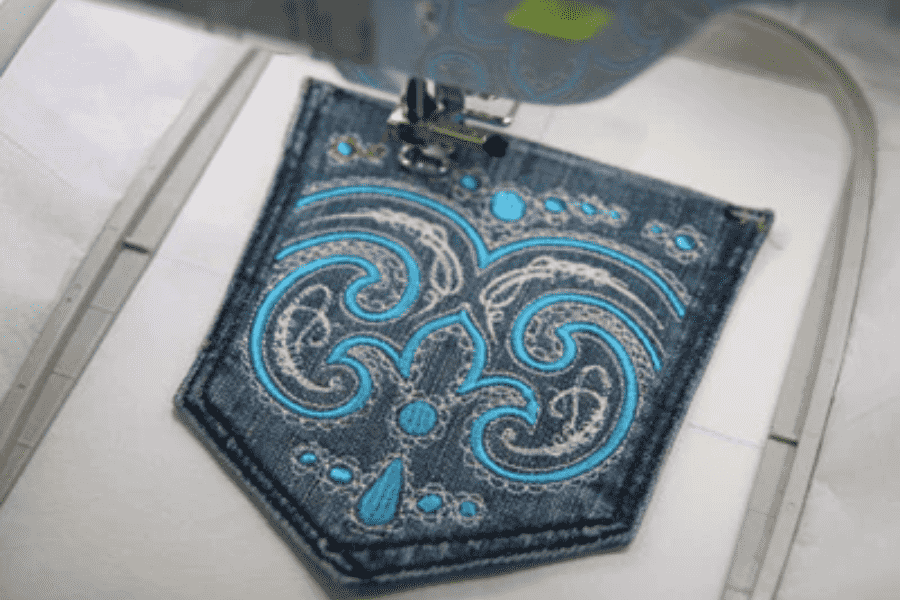
Many experienced embroiderers float denim pockets rather than hooping them directly. The floating method means attaching the stabilizer to the hoop, then adhesive-basting the denim onto the stabilizer surface rather than clamping it between hoop rings. This approach prevents pocket distortion, makes positioning easier, and eliminates hoop-pressure marks on thick denim.
Magnetic hoops are the other strong option for denim. They provide even clamping pressure without the aggressive ring marks that traditional hoops can leave on thick or structured fabric.
Step 4: Position the Pocket with Precision
Where the embroidery sits on the pocket matters for both aesthetic and functional reasons. Center the design within the pocket boundary, confirm that the pocket opening remains fully functional and will not be obstructed or sewn shut during stitching, and double-check alignment before starting the machine. On denim, repositioning after the first stitch is not an easy fix.
Step 5: Slow Down the Machine
Speed is one of the biggest variables beginners get wrong when learning how to embroider on jean pocket. Denim is thick, structured, and resistant. Running your machine at standard or high speed generates heat and vibration that breaks threads, bends needles, and produces uneven stitching. Most experienced denim embroiderers reduce machine speed by 30 to 50 percent for pocket work.
Slower stitching improves precision, protects your needle, and gives the machine time to push cleanly through multiple denim layers without forcing.
Step 6: Watch the Machine Throughout
Do not walk away from an unfinished denim embroidery run. Monitor the stitching for fabric shifting, needle flex, thread looping beneath the fabric, and any signs that the pocket is being pulled closed. Catching a problem in the first few inches is recoverable. Catching it after the design is half-finished is a much larger problem.
Step 7: Finish Cleanly
After embroidery is complete, remove the stabilizer carefully according to its type. Trim all thread tails close to the surface. Inspect the pocket to confirm it opens and closes properly. Press the embroidered area gently from the reverse side if needed to settle the stitching.
Best Stitch Types for Jean Pocket Embroidery
Satin stitch is the most popular choice for jean pocket embroidery because it produces a smooth, bold surface with a polished appearance. It works especially well for lettering, borders, and logo elements where clean edges matter.
Running stitch is the gentlest option for denim because it creates fewer penetrations per inch and allows the fabric to retain its natural drape and flexibility. It is ideal for outline work, vintage embroidery styles, and designs where a lighter visual weight is appropriate.
Fill stitch requires careful management on denim. Dense fill areas stiffen the pocket and can cause visible puckering if density is not reduced from standard settings. Use fill stitch thoughtfully and always test density on scrap denim before committing to the final piece.
Best Stabilizer for Jean Pocket Embroidery

Cut-away stabilizer is the strongest and most durable option. It stays permanently beneath the embroidery and provides ongoing support through washing and wearing. Cut-away is best for stretch denim, dense embroidery designs, and products that will see heavy use and frequent laundering.
Tear-away stabilizer works well for simpler designs on stable, non-stretch denim. It removes cleanly after stitching and leaves a lighter result, but it does not provide the long-term support that cut-away offers for complex or high-stitch-count embroidery.
Adhesive stabilizer is particularly useful for jean pocket embroidery because it holds difficult-to-hoop positions without requiring aggressive clamping. Many professionals use adhesive stabilizer as their primary method for pocket work, sometimes layered with a cut-away backing for added durability.
How to Prevent Puckering on Jean Pockets
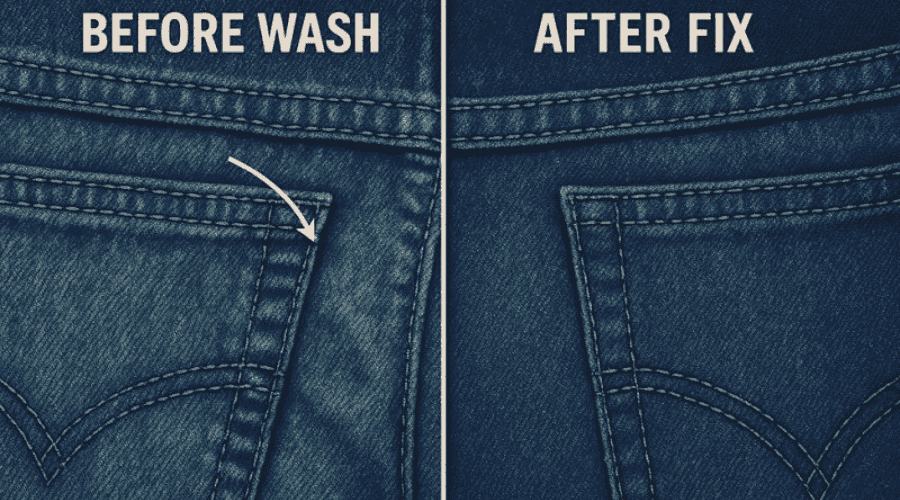
Puckering is one of the most common frustrations when learning how to embroider on jean pocket. It happens when the embroidery pulls the surrounding fabric inward, creating a gathered or bunched appearance around the design.
The most effective prevention strategies are proper stabilization from the start, reduced stitch density in the digitized design, balanced thread tension (too tight pulls, too loose loops), and avoiding oversized designs that pull more fabric than the pocket can comfortably accommodate. If puckering persists, increase the weight of your stabilizer and reduce density further before adjusting tension.
Common Mistakes When Embroidering on Jean Pockets
Sewing the pocket shut is the single most common and most avoidable mistake in jean pocket embroidery. Always verify which layers the needle will pass through before starting.
Using the wrong needle on thick denim leads to skipped stitches, bent needles, and damaged fabric. Denim-specific or sharp needles are not optional.
Skipping stabilization because denim feels thick enough to hold itself in place. It is not denim still shifts during high-speed stitching without proper backing.
Using dense designs without adjusting settings creates stiff, bulky embroidery that dominates the pocket rather than complementing it.
Stitching at full machine speed on a thick, layered material increases every risk simultaneously broken threads, bent needles, uneven stitching, and overheated machine components.
Not prewashing before embroidery, then watching the finished design distort the first time the jeans go through the laundry.
Hand Embroidery on Jean Pockets
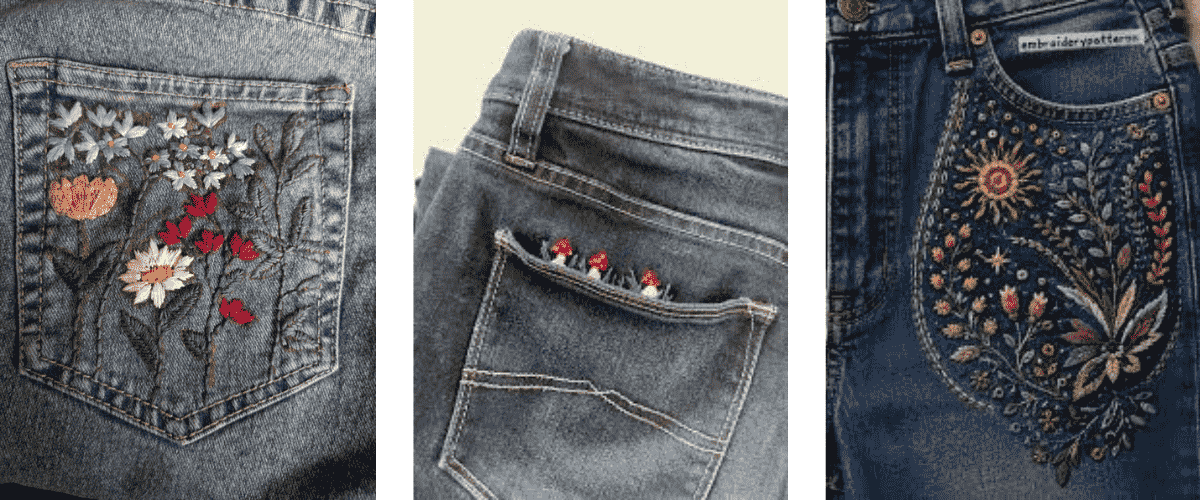
Machine embroidery handles volume and consistency, but hand embroidery on jean pockets has a market and an aesthetic that machines cannot fully replicate. Handmade denim work carries a level of perceived craftsmanship that appeals strongly to buyers in premium, artisan, and boutique segments.
Popular hand embroidery styles for denim include floral stitching, Japanese sashiko geometric patterns, vintage boho designs, and abstract artwork using embroidery floss in rich, contrasting colors. The tools are straightforward an embroidery hoop, sharp hand needles, quality embroidery floss, a fabric marker for transferring designs, and a stabilizer to hold the denim steady during hand stitching.
The key technical tip for hand embroidery on denim is to pre-punch or pre-mark your stitch points carefully, since pushing a hand needle through thick denim without a guide is slower and less consistent than working with pre-planned placement.
Best Thread Colors for Denim Embroidery
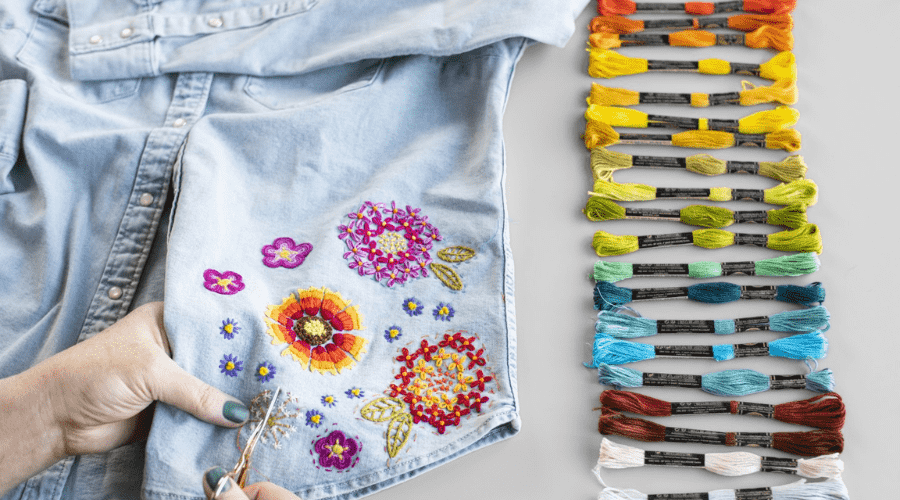
Color contrast defines the visual impact of jean pocket embroidery. The most effective combinations in current fashion are white embroidery on blue denim for a clean, classic look; red or orange stitching on black jeans for a bold streetwear aesthetic; gold thread on light denim for a luxury fashion feel; silver on dark indigo denim for a modern, premium appearance; and cream or off-white on vintage-wash denim for an authentic handmade look.
Strong contrast almost always performs better on denim than tonal embroidery, because the texture of the weave tends to absorb subtle color differences.
How to Care for Embroidered Jean Pockets
Embroidered denim is durable when cared for correctly. Wash jeans inside out to protect thread from friction against other garments during the wash cycle. Use cold water, which reduces both color fading and stress on the thread itself. Avoid high dryer heat air drying or low-heat tumble drying preserves embroidery significantly longer. Use a gentle detergent without harsh bleaching agents that break down thread color over time.
Jean Pocket Embroidery as a Business
If you are considering building a business around how to embroider on jean pocket, the market conditions are favorable. Customers who want personalized, embroidered denim expect to pay premium prices and they do. The combination of skill, customization, and the perceived luxury of embroidery over printing creates strong price justification.
The most profitable segments for denim embroidery businesses are personalized jeans with names or initials, western fashion with signature embroidery styles, streetwear branding with embroidered logos, boutique women's fashion with floral pocket designs, and custom gifts for individuals and couples.
The barrier to entry is lower than many assume a quality machine, proper needle and stabilizer knowledge, and professional digitizing skills are the foundation. From there, jean pocket embroidery scales well as you build a customer base and expand your design catalog.